

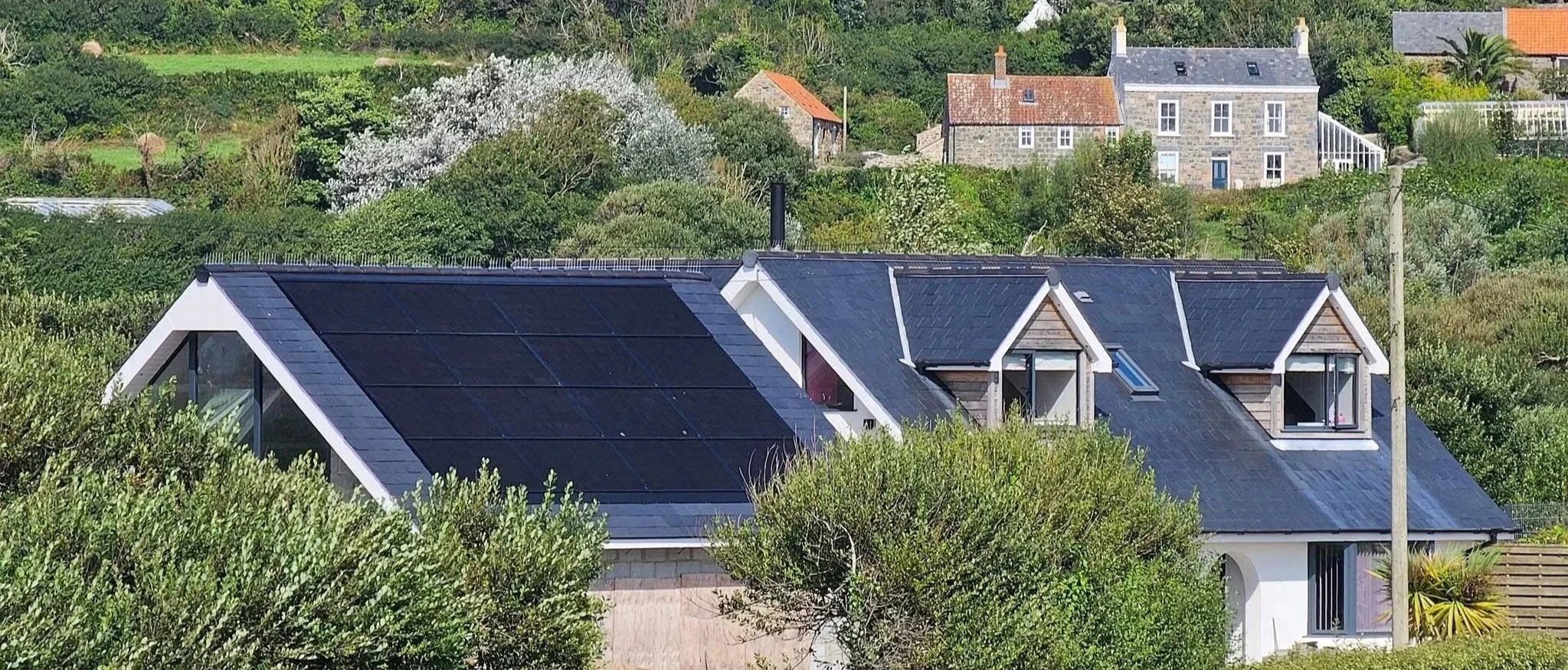
On 28 February 2026, this home achieved something remarkable.
For a full 24 hours, the property operated entirely on solar energy. Not just during the day when the panels were producing electricity, but through the night as well.The key is not simply solar generation. It is the combination of solar and battery storage working together as a single system.
We installed the home’s 6 kW solar array in 2024, and in January 2026 added two Enphase 5 kWh batteries, providing 10 kWh of storage. With the monitoring platform, we can see exactly how the system behaved across the day. When you look closely at the data, it tells a surprisingly elegant story.
But there is an even more remarkable detail.
When reviewing the data, we discovered that 28 February was not an isolated event.
The home had actually been running entirely on solar energy for five consecutive days, beginning on 25 February.
Day after day, solar energy powered the home during daylight hours, with excess energy stored in the batteries and then used through the evening and night.
For this case study, however, we will focus closely on one specific day, 28 February, and examine the data hour by hour to understand exactly how the system achieved 24-hour solar power. Because when you break the numbers down, the story of that day reveals how modern solar and battery systems can quietly transform the way a home is powered.
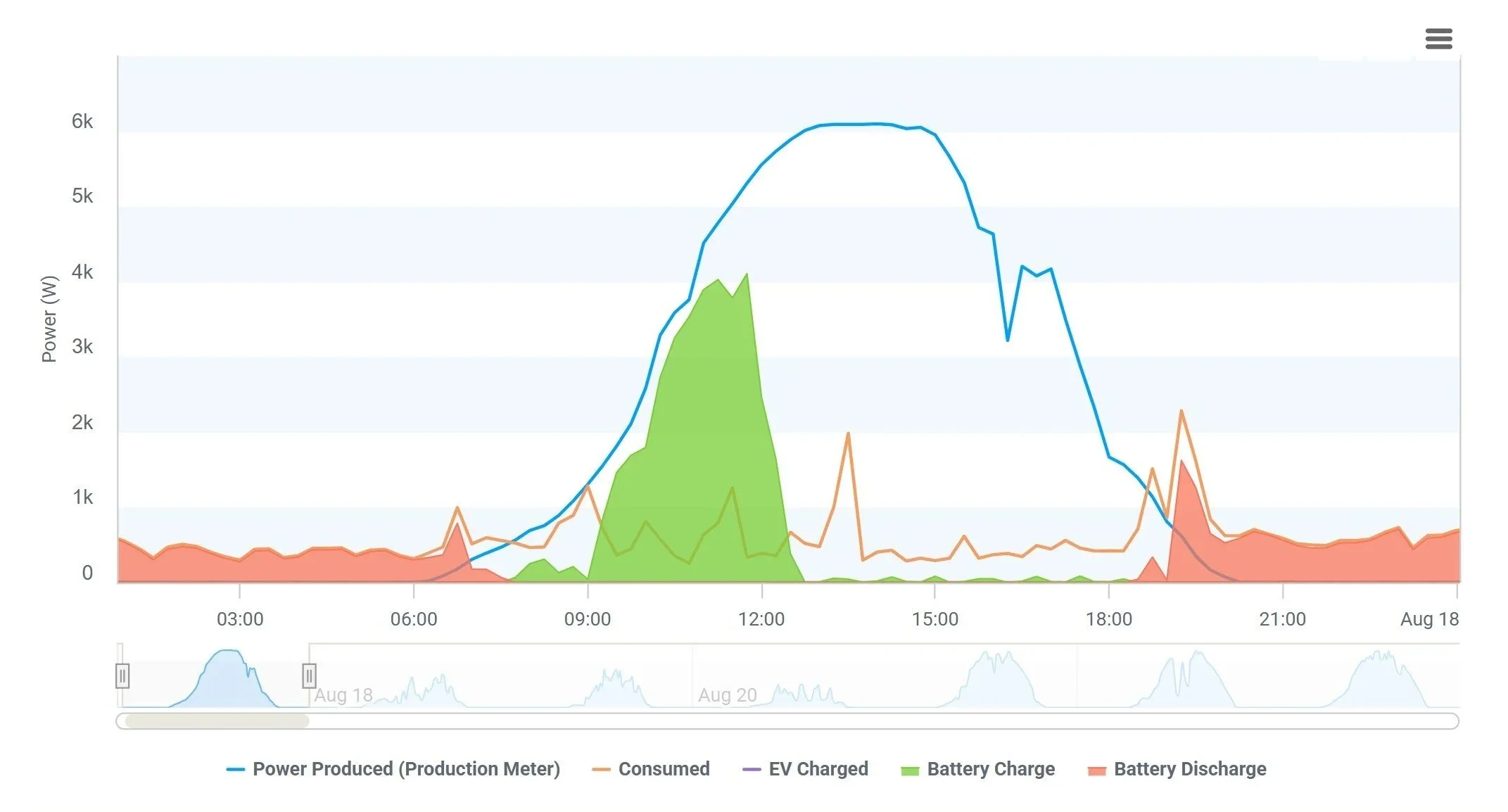
Midnight: Running on yesterday’s sunshine
At 00:00, long before sunrise, the home is running. Lights, appliances, background consumption, all powered by the batteries.
That energy had been captured by the solar array the previous day. Through the early hours of the morning, the batteries steadily supplied the home’s modest overnight demand.
Morning: The sun returns
Shortly after 08:00, the solar array began producing power again.
Generation started gently, climbing from a few hundred watts as daylight strengthened.
At first, solar production simply reduced the amount of energy the batteries needed to supply. But as the morning progressed, the system reached a tipping point.
Solar generation exceeded the home's demand.
At that moment, instead of powering the house alone, the solar array began recharging the batteries.
Late Morning: Recharging the battery
Between 09:00 and 12:00, solar production surged.
The system peaked at over 4 kW, with a large portion of this surplus energy flowing directly into the batteries.
You can see this clearly in the data, where the green battery charging curve rises sharply.
By midday, the energy used overnight had been completely replenished.
The home was once again sitting on a full reservoir of stored sunlight.
Afternoon: Solar covering daily life
Throughout the afternoon, the home experienced the normal rhythm of household activity.
Energy consumption rose and fell as appliances were used. You can see several spikes in demand as cooking, kettles, and other electrical loads switched on. With the the solar array perfectly covering these demands.
Even when passing clouds briefly reduced generation, the system responded instantly. The batteries stepped in momentarily, smoothing the supply without the need for grid electricity.
For the entire afternoon, the home continued running on its own solar energy.
Evening: The handover
As the sun began to set around 17:00, solar production gradually declined.
The system moved into its next phase.
The batteries, now fully charged from the day’s sunshine, began powering the home once again.
You can see this clearly in the chart as the battery discharge increases through the evening.
Dinner, lighting, and evening activity were all powered by energy captured earlier that same day.
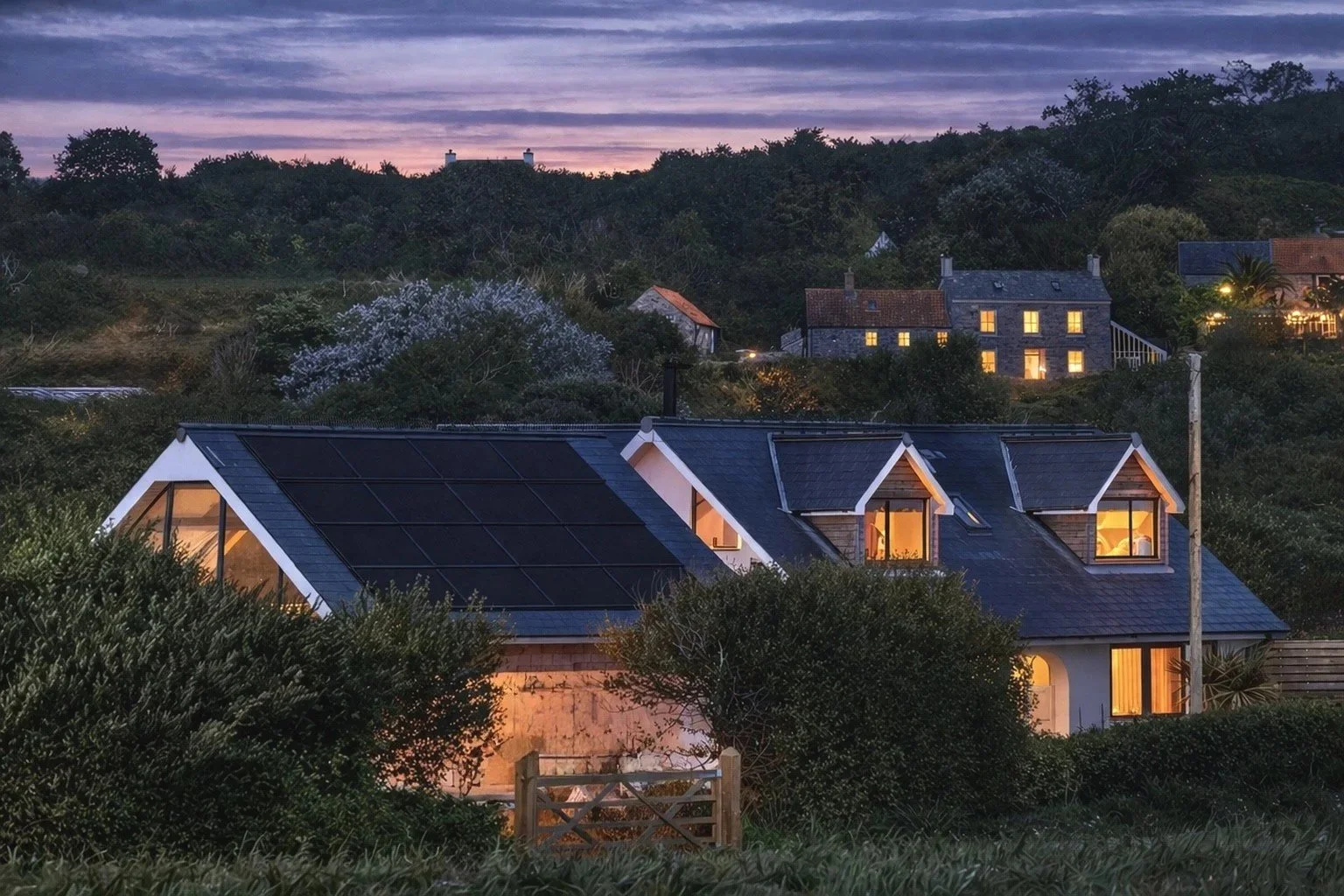
Night: The cycle repeats
As the evening turned into night, the batteries continued supplying the home’s electricity.
No grid import was required.
By the time the clock approached midnight again, the home had completed a full 24-hour cycle powered entirely by its own solar system.
The energy used during the night was simply sunlight, shifted forward in time.
What this day shows
This single day illustrates the transformation taking place in modern home energy systems.
Solar panels generate electricity when the sun shines.
Battery storage allows that energy to be saved and used later.
Together they allow homes to extend solar energy far beyond daylight hours.
From midnight…
to sunrise…
through the day…
and back into the night again.
24 hour sun.