
2 —— The Foundation of Renew
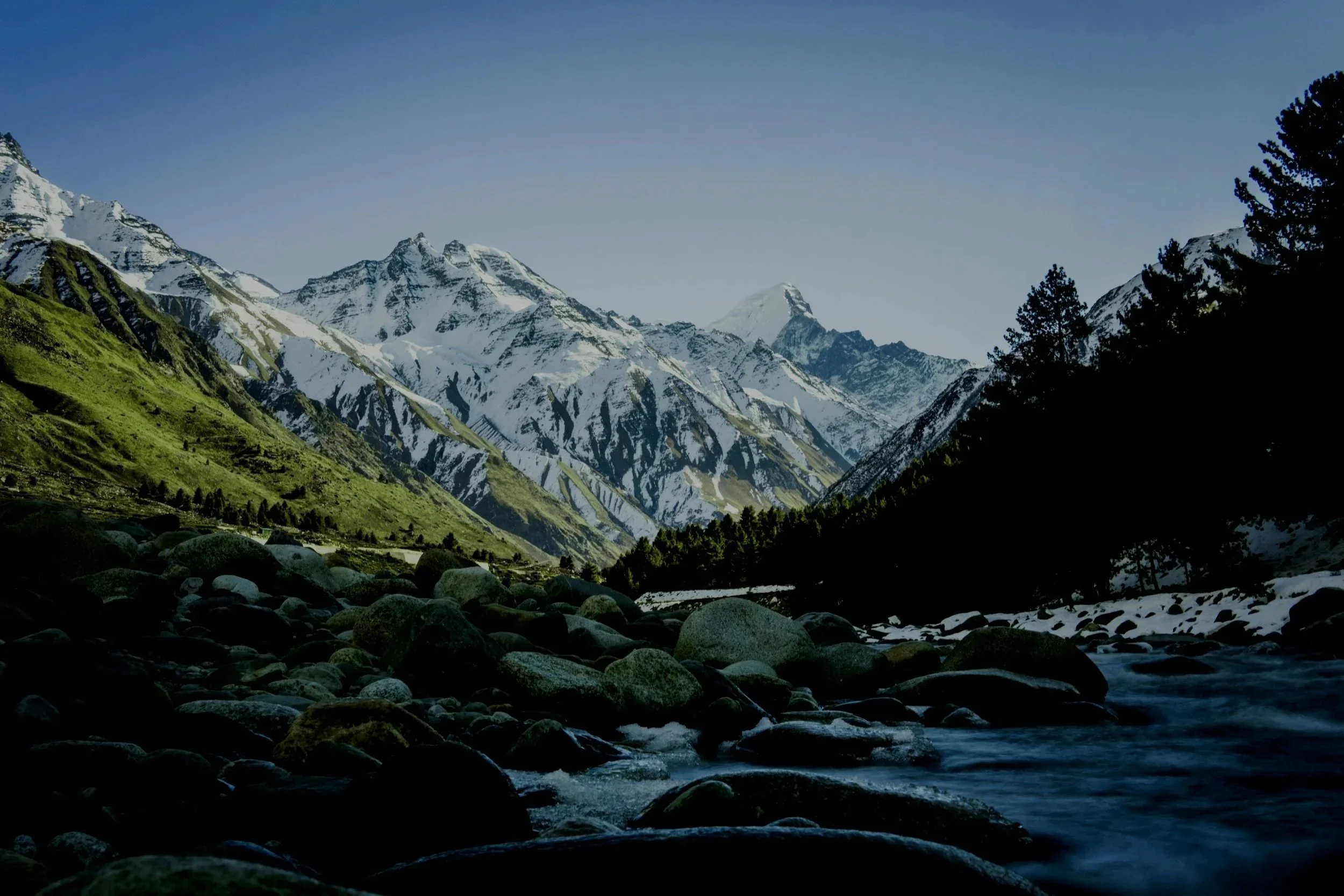
High in the Himalayas in the early 1980s, while travelling through a remote mountain region, Paul witnessed a village run out of kerosene.
Cooking stopped, warmth disappeared, survival became manual. Each day, an elderly woman climbed the mountainside with a bundle of firewood strapped to her back, not out of ritual or choice, but necessity. Watching her revealed a simple truth that never left him.
Energy isn’t abstract, it isn’t a commodity, it is freedom, or the lack of it.
Decades later, that understanding would become central to the philosophy of Renew.
Energy has always been personal. Not just a technical problem to solve, but a quiet force that shapes how people live, what choices they can make, and how much control they truly have over their own lives.
Where energy comes from, and how efficiently it is created, sits at the heart of labour and freedom. When energy is scarce or controlled, life becomes organised around survival. Time is spent acquiring fuel, paying for it, worrying about it. When energy is abundant, clean, and effectively free at the point of use, something else becomes possible.
In a society powered entirely by renewables, people could begin to structure their lives less around keeping the lights on, and more around what they are here to create, to think, to make, to become. To be the best mathematician, or the best songwriter, the best they can be. If others value what they do, that is something to celebrate, but the deeper victory is autonomy and self-empowerment.
When renewable energy is discussed, it’s often framed as a way, perhaps the only scalable way, to slow the climate crisis. And that matters, deeply. But protecting the climate is not the only reason this transition matters. Because power from renewable energy does something else as well. It gives people freedom.
Energy has become commoditised, but also weaponised, used by dictators, controlled by regimes, and traded by faceless corporations, while ordinary people live with the fallout. Energy still sits at the centre of society itself, shaping economies, institutions, and daily life, all the way down to families organising their lives around bills, dependence, and systems they do not control.
From that perspective, renewable energy isn’t ideological. It’s logical. Renew took shape around a shared way of seeing the world. A father and son, shaped by different eras but guided by the same conclusion, you don’t damage the place you call home and call it progress.
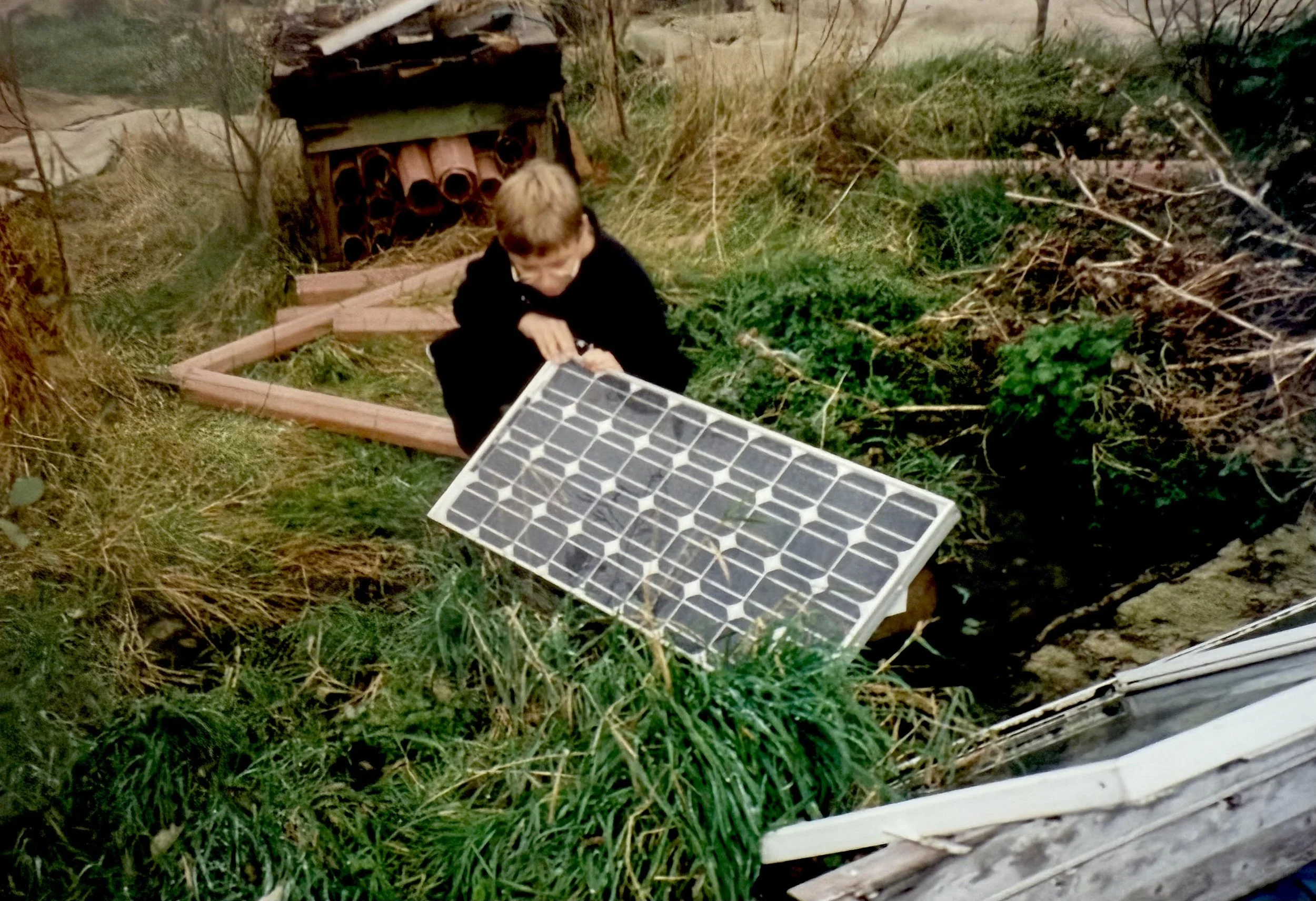
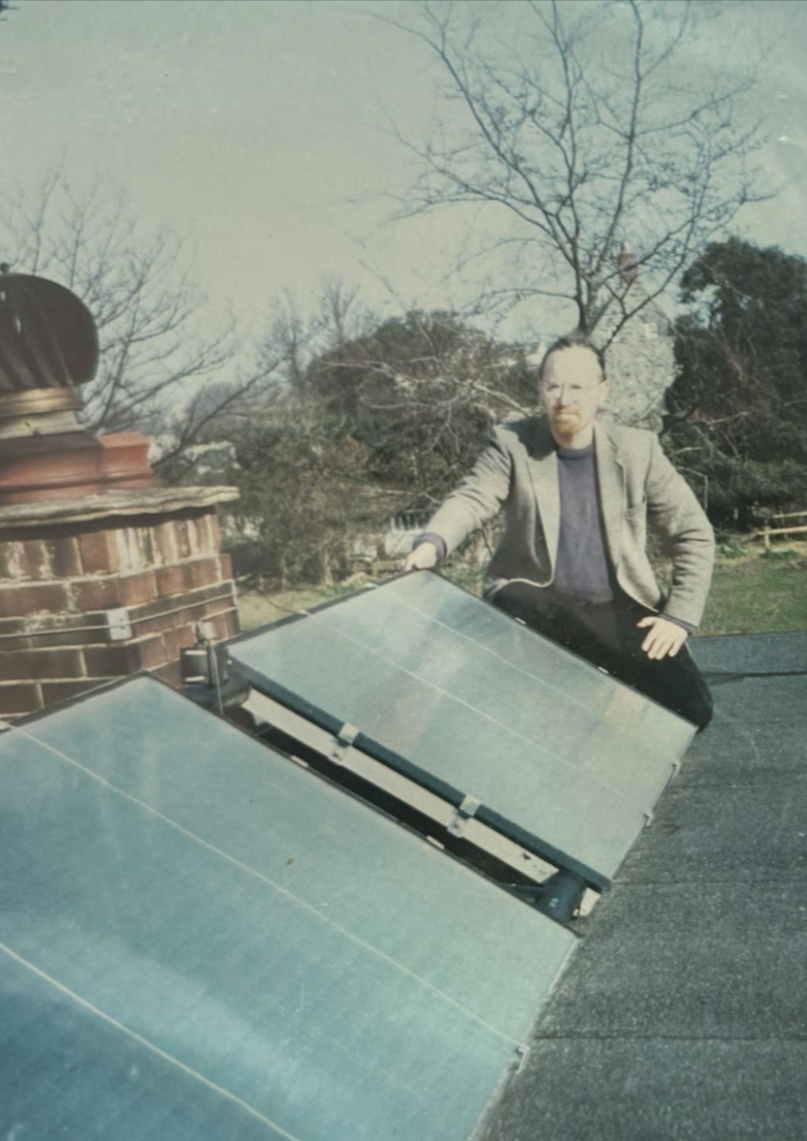
That shared, clear-headed pragmatism became the foundation of Renew. Reflecting that philosophy through obsessive engineering, carefully chosen components, and systems designed for a lifetime. But at its heart, it’s about the story. Culture. Feeling. It’s about people.
And this is where the mountains come back into view. Most people don’t walk up a mountain for firewood, but many still structure their lives around energy. A renewable-powered life is more than a technological shift. It’s a cultural one. It’s about freedom and liberation. It’s about resilience, independence, and empowerment. It’s about turning sunlight into sovereignty.